Safe Foraging in Urban and Suburban Environments - Smart Urban Foraging Tips

Discover How to Forage Safely in Urban and Suburban Environments: Your Essential Guide to Free Local Nutrition

Urban foraging offers access to wild, nutritious foods found in local environments. Beginners must prioritize accurate plant identification and avoid polluted areas. Legal regulations vary, and sustainable harvesting is essential. Seasonal awareness, preparation methods, and safety testing for allergens are crucial. Engaging with community foraging builds knowledge and resilience in food independence.
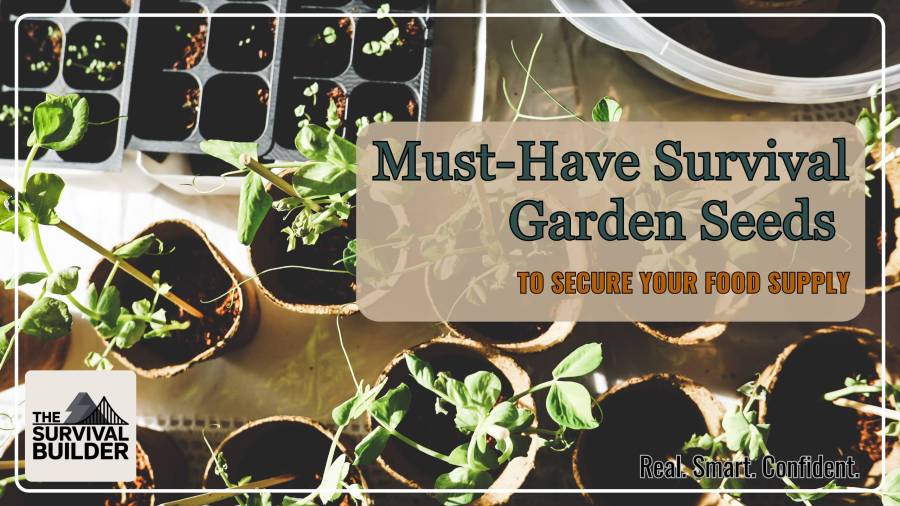
Seedlings sprouting in starter trays and biodegradable pots on a table. Header image for a survival blog post on must-have seeds to build a long-term food supply.

15 Must-Have Survival Seeds to Secure Your Food Supply

Essential survival seeds include corn, beans, potatoes, carrots, tomatoes, and more, each providing vital nutrition and storage options. Focusing on heirloom varieties promotes sustainability and resilience, allowing for year-round nourishment and independence in uncertain times. A survival garden enhances food security by ensuring a self-sufficient supply of fresh produce.

A person hoes a vibrant vegetable garden, representing self-sufficient food production. Banner for a detailed guide on building a survival garden in any climate.

Ultimate Guide to Building a Powerful Survival Garden That Thrives in Any Climate

A survival garden offers food security and personal empowerment amidst rising costs and supply disruptions. With basic investments, anyone can grow nutritious crops suitable for their climate. Focus on soil quality, resilient plants, seasonal extensions, and sustainable practices. Building community and preserving harvest enhances long-term resilience and self-sufficiency through gardening.

A wilderness lean-to shelter and campfire in a wooded area illustrate intentional prepping. Blog cover for survival prepping article on mindful, step-by-step readiness by The Survival Builder.

Essentials of Mindful Prepping: Steps to Preparedness

Mindful prepping emphasizes intentional preparedness based on personal values rather than fear. It consists of five focus areas: water readiness, simple food reserves, basic home readiness, steady finances, and mental grounding. This method fosters clarity, reduces anxiety, and builds resilience through calm, deliberate actions, ultimately providing families peace during challenging times.