
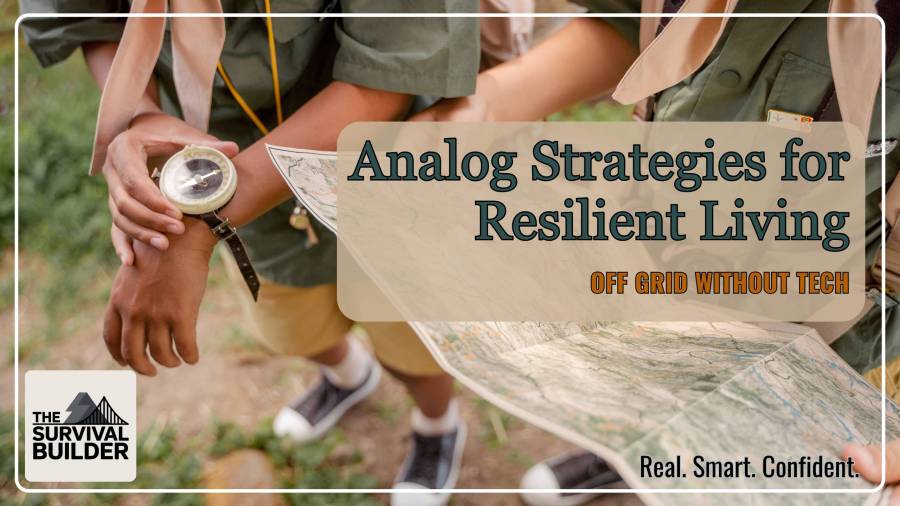
Resilient Living Starts Where the Signal Ends – Analog Tools That Keep You Prepared
After mastering Gray Man tactics to stay unnoticed, the next challenge is staying functional. In a digital blackout, the invisible prepper does not just blend in. They thrive using tools that require no battery, no satellite, and no network.
Digital dependence leaves modern life vulnerable. When the grid goes down, communication, navigation, and daily routines must be reimagined. The resilient prepper relies on tools from a quieter time. Here is how to keep moving, cooking, organizing, and surviving with analog intelligence.
Communication Without the Grid
- Use AM/FM and NOAA radios to receive updates. Two-way radios like CB or FRS keep you connected nearby.
- Learn ham radio basics now. A license gives you legal access to long-range emergency communication.
- Set prearranged analog signals: whistles, mirrors, or flags. Create a family or neighborhood signal code.
- Use physical bulletin boards or message drops for community coordination.
- Keep paper, pens, and envelopes for handwritten updates and messages.
Navigate Like a Pathfinder
- Carry topographic maps of your local region, sealed in waterproof sleeves.
- Pair your map with a compass and learn how to orient it accurately using magnetic declination.
- Learn natural cues: the North Star, the sun’s path, and terrain features.
- Practice route planning now. Identify landmarks and test your skills on foot.
Analog Energy and Light
- Manual tools like hand-crank radios and solar battery banks offer energy where power lines fail.
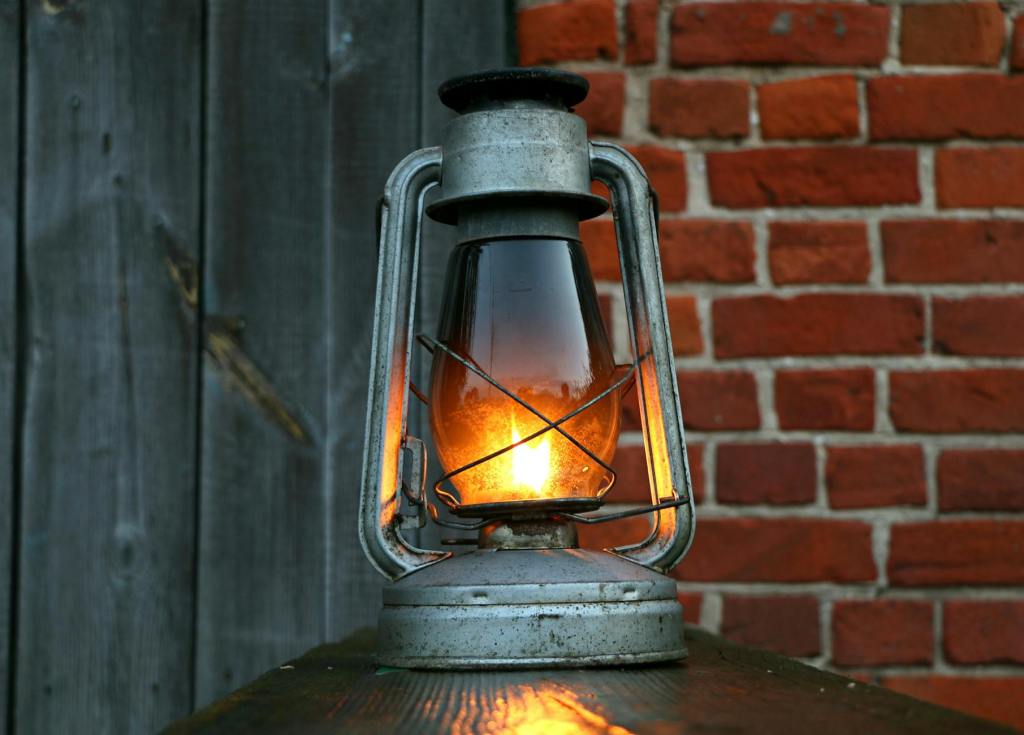
- Stock candles, oil lamps, and flashlights with extra batteries and wicks.
- Solar lanterns and hand-crank lights provide dependable, off-grid illumination.
Cook and Eat the Old Way
- Use a manual can opener and non-electric grinders for staple foods.
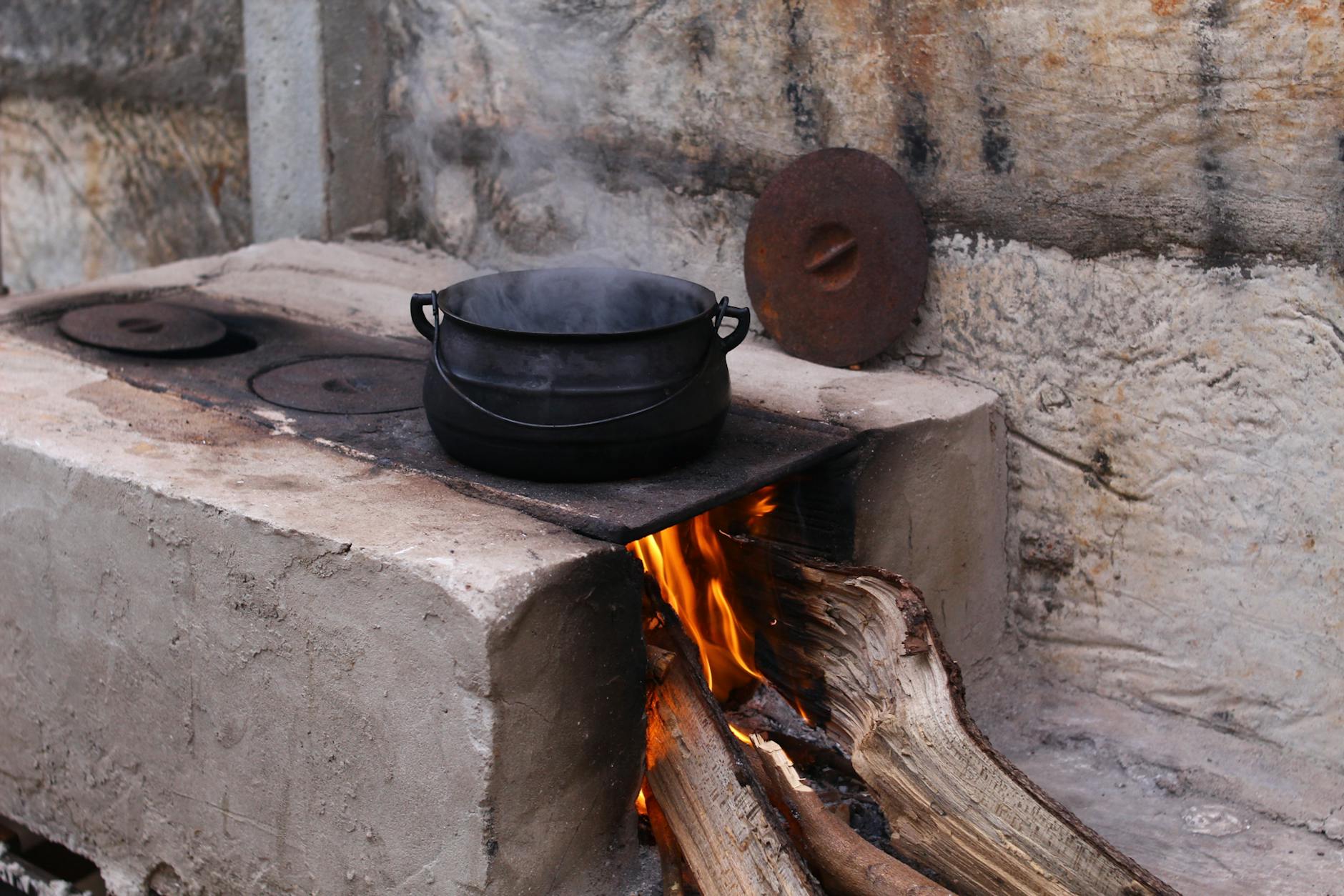
- Cook over propane stoves, rocket stoves, or open fires. Dutch ovens bake beautifully over coals.
- Store hearty staples: beans, rice, oats, and jerky. These require minimal fuel and tools.
Water Without Wires
- Hand pumps and gravity-fed filters replace powered systems.
- Boil water over fire to purify it. Practice this routinely.
- Harvest rainwater using barrels with mesh screens. Store it in clean, labeled containers.
Organize with Paper
- Use wind-up or battery-powered clocks and physical calendars.
- Keep a dry-erase board or paper planner for daily tasks and appointments.
- Post visible routines and schedules for your household to follow.
Heating and Cooling Without HVAC
- Cool down with open windows, wet cloths, hand fans, and shaded outdoor setups.
- Use wood stoves, fireplaces, and propane heaters with proper ventilation.
Practice Now for Confidence Later
- Create a central supply shelf for old-school tools and label everything clearly.
- Practice key tasks: cook on a camp stove, navigate with a map, collect and boil water.
- Teach children and household members the basics of each tool.
- Build a community of shared skills and tools. Low-tech is stronger together.
When the lights go out, those who prepare with timeless tools move calmly through the dark. By replacing digital habits with tactile skills and thoughtful gear, you ensure your household remains grounded and capable. Quiet tools. Quiet minds. A quiet resilience that speaks volumes.
Which old-school tool do you rely on most, or plan to learn next? Share your favorite or most-used offline skill with us and inspire others in the comments below.
Want to Practice What You’ve Learned?
Download our free Digital Blackout Skills Checklist for a simple guide to essential analog tools and techniques. From map reading to candle lighting, this checklist helps you build real-world confidence, one steady step at a time.
Print it. Post it. Practice it.
Discover more from The Survival Builder
Subscribe to get the latest posts sent to your email.
