
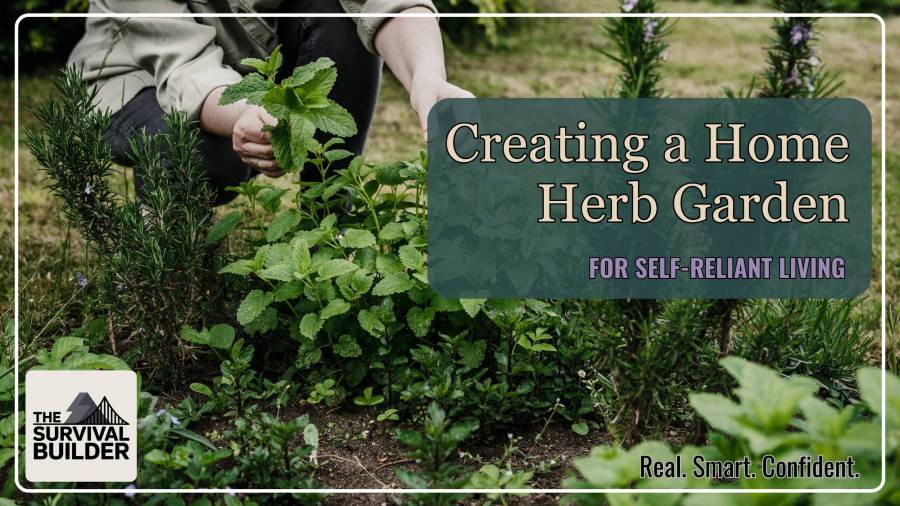
Discover the best herbs for herbal gardening success and what to avoid for a thriving garden
Creating an herb garden is one of the smartest and most rewarding steps toward self-reliant living. Whether you have a large yard or a balcony, an herb garden adds flavor to your meals, supports your health, and boosts food security. This guide walks you through what to grow, what to avoid, and how to make your herb garden truly work for you.
Resilient Herbs Every Prepper Should Grow
These hardy herbs are easy to grow, versatile, and provide both culinary and medicinal benefits. They thrive in a range of climates and are perfect for beginners.
- Basil: Fast-growing in warm weather; supports immune health and repels pests.
- Thyme: Drought-tolerant and powerful against respiratory issues.
- Chamomile: Gentle on digestion and great for calming teas; attracts pollinators.
- Sage: Useful for flavoring and inflammation relief.
- Lavender: Fragrant and pest-resistant; helpful in salves and calming routines.
- Parsley: Cold-hardy and rich in nutrients; useful in many dishes.
- Chives: Adds flavor while deterring pests naturally.
These herbs are excellent building blocks for any herb garden because they require minimal care while delivering consistent results.
Recommended but Grow with Care
Some herbs have aggressive growth habits or special requirements. Although useful, they should be grown in containers or managed with extra attention to prevent them from overtaking your garden.
- Mint: Excellent for teas and digestion but extremely invasive. Always grow in containers. Why Mint Can Take Over Your Garden (Martha Stewart)
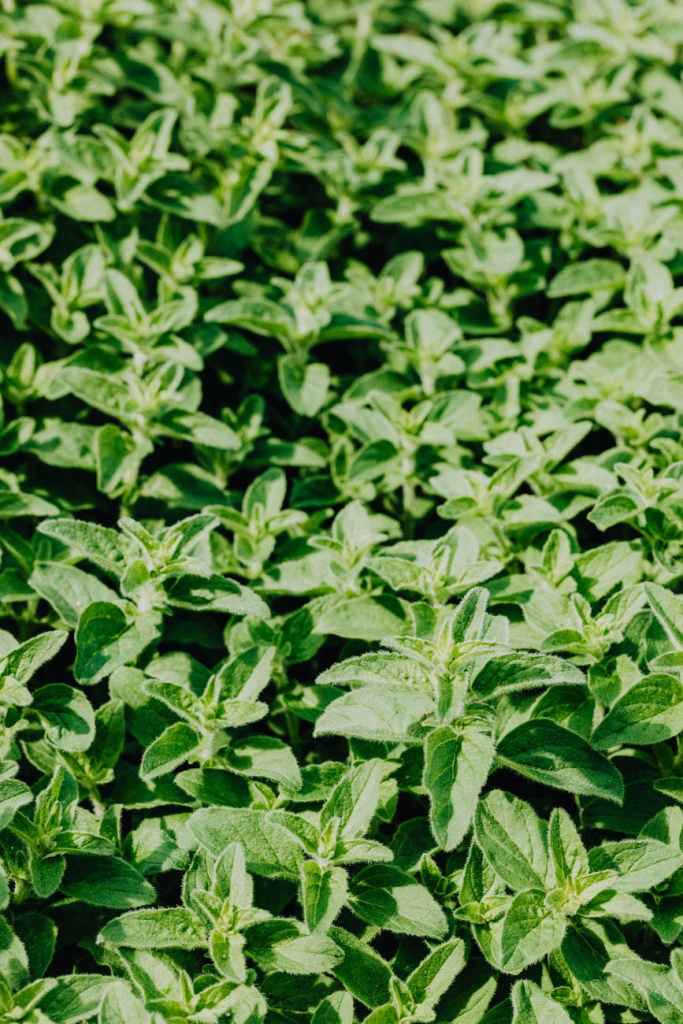
- Oregano: Hardy and flavorful, but spreads quickly. Contain in pots. Invasive Herbs to Watch For (Homes & Gardens)
- Lemon Balm: Calming and useful, yet fast-spreading. Pot planting is best.
Growing these herbs with care allows you to enjoy their benefits without disrupting other plants in your herb garden.
Companion Planting with Herbs
Companion planting helps maximize your herb garden’s productivity by pairing herbs with plants that enhance each other’s growth or deter pests.
- Basil: Benefits tomatoes and peppers; deters mosquitoes.
- Chives: Keeps aphids away from carrots and lettuce.
- Mint: Aids cabbage but must be contained.
- Thyme: Repels cabbage worms; great near brassicas.
- Oregano: Good ground cover near squash.
- Parsley: Brings pollinators near asparagus and corn.
Planting herbs strategically promotes healthier crops and reduces your need for synthetic pest control.
Use Caution: Herbs to Avoid or Grow Carefully
While many herbs are helpful, a few need caution due to being invasive, toxic to pets, or too fussy to justify their place in a prepper’s herb garden.
- Invasive Growers: Mint, lemon balm – contain with pots. Fennel and horseradish also spread rapidly and should be isolated.
- Toxic to Pets:
- Chives, Garlic, Onion: Can harm dogs and cats. Toxic Herbs for Pets (House Digest)
- Tarragon, Pennyroyal, Marjoram, Bay Laurel: May cause toxicity in pets. Elevate or fence off.
- High-Maintenance Herbs and Easy Alternatives:
- Cilantro: Bolts quickly. Use flat-leaf parsley for similar flavor with better growth.
- Rosemary: Struggles in cold or wet soil. Replace with sage or thyme.
- Dill: Self-seeds too easily. Use chervil as a milder, easier alternative.
Avoiding these pitfalls saves time, energy, and disappointment as you build a functional herb garden.
Smart Herb Garden Tips from the Farmers’ Almanac
Using almanacs simplifies herb garden planning by aligning planting with your local climate and seasonal cues.
- Check frost dates: Know safe windows for planting and harvesting.
- Use moon phase calendars: Many gardeners align plantings with moon cycles.
- Track long-range weather: Helps with preparation and timing.
- Customized calendars: Plan by zip code for precise planting times.
Compare Your Options:
- Farmers’ Almanac: Practical, sustainability-focused.
- Old Farmer’s Almanac: Tradition-rich, includes folklore and astronomy.
Understanding these tools empowers you to plan confidently based on your region’s climate patterns.
How to Dry and Store Herbs
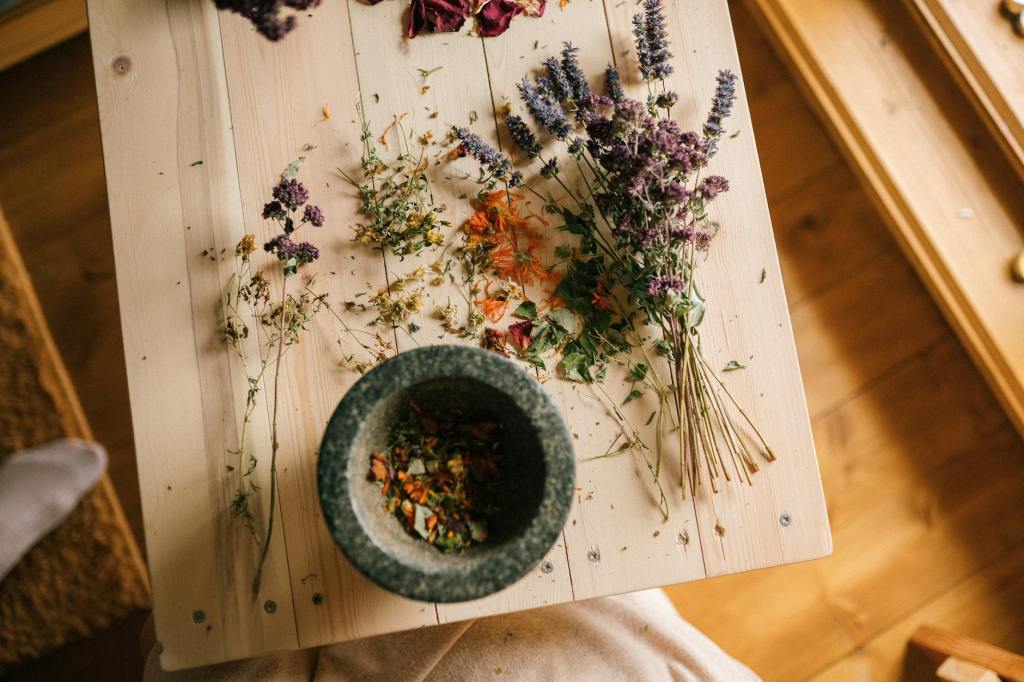
Drying herbs allows you to extend the usefulness of your herb garden harvest long after the growing season ends. Herbs can be preserved in two primary ways: air drying or dehydrating. Each method suits different herbs and conditions.
Air drying works best for low-moisture herbs like thyme, rosemary, oregano, and sage. Simply bundle small groups of stems and hang them upside down in a dry, well-ventilated space out of direct sunlight. Once fully dry (usually within 1–2 weeks), crumble the leaves and store them.
Dehydrating is ideal for moisture-rich herbs like basil, mint, lemon balm, and chives. These herbs are more prone to mold if not dried quickly. Use a food dehydrator set between 95–115°F and check frequently. When the leaves crumble easily, they’re ready.
Storing herbs: Regardless of drying method, store dried herbs in clean, airtight glass jars. Label each with the herb name and harvest date. Keep containers in a cool, dark cabinet to preserve flavor and potency.
These methods make it simple to stock your pantry with homegrown herbs for cooking and wellness all year long.
Find Your Local Gardening Support
Regional support strengthens your herb garden. Connect with experts for soil tests, growing advice, and problem-solving.
Find Your Local Extension Office (USDA)
Final Thought
A well-planned herb garden does more than supply seasonings. It anchors your self-reliant lifestyle by putting nourishment, wellness, and resilience right outside your door. Starting small with easy-to-grow herbs, managing invasive varieties wisely, and learning traditional techniques like drying and companion planting will give you more than a harvest. It gives you confidence and skill. With each step, your herb garden becomes a lasting resource you can rely on.
Grow smart. Grow strong.
Discover more from The Survival Builder
Subscribe to get the latest posts sent to your email.
