
Master the Art of Climate-Resilient Gardening for Year-Round Food Security
A survival garden offers more than food. It brings confidence, calm, and control back into your hands. With rising food costs, frequent recalls, and supply disruptions, many are turning to the soil for steady security. This guide will show you how to grow a survival garden that thrives in any climate, starting with as little as $100 and a few packets of seeds.
I remember spending long summer days in the garden with my grandparents, weeding and picking produce. Their friends would stop by for baskets full of green beans or tomatoes. My great-grandmother would can what they couldn’t give away, and the glass jars would line the pantry shelves.
First, Build Your Soil Wisely
Healthy soil is the foundation of any survival garden. Begin by testing your soil’s pH and nutrient levels. Most vegetables prefer slightly acidic to neutral soil between 6.0 and 7.0. Add compost, aged manure, or leaf mold to enrich both sandy and clay-heavy soils. Raised beds improve drainage in wet regions and warm up faster in cool zones, extending the growing season. If needed, buy bulk soil to reduce costs and layer it over recycled cardboard to smother weeds and create a healthy base.
9 Genius Ways to Use Cardboard in Your Garden at Better Homes and Gardens
Start Simple, Start Smart
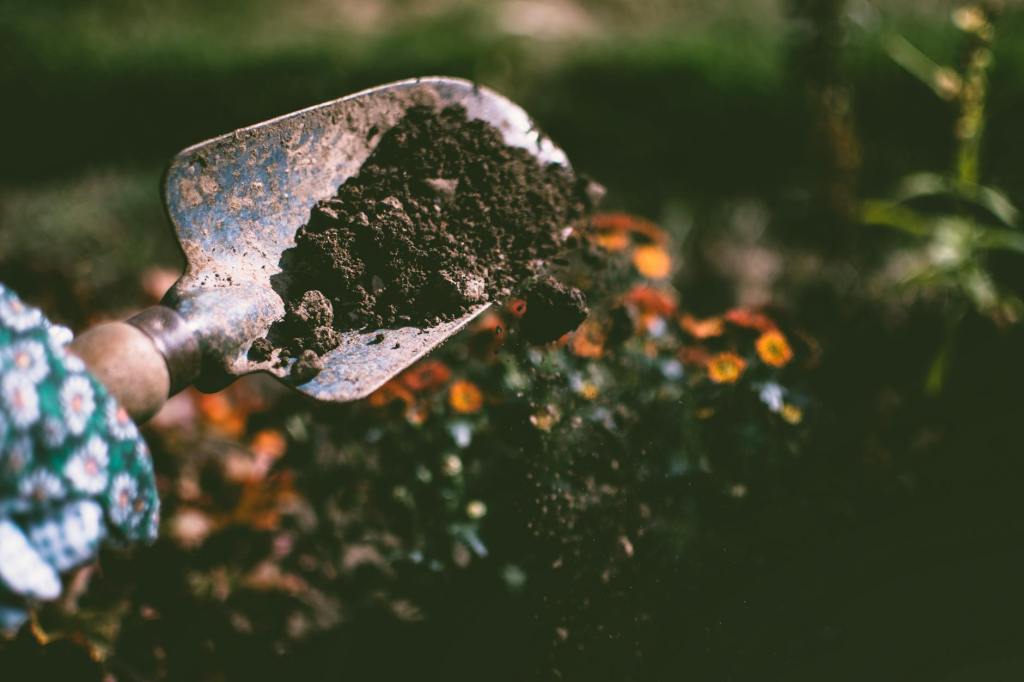
All you need to begin your survival garden is soil, seeds, sunlight, and water. If your soil is poor, bulk soil is a great help. A scoop typically costs much less than several bags. Add free cardboard from shipping boxes to suppress weeds, and you have a garden bed base. Sprinkle in seeds such as lettuce, radishes, beans, and zucchini. Potatoes sprouting in your kitchen can be planted as seed potatoes, turning waste into food. Many startup gardeners succeed with as little as $100 invested.
Why a Survival Garden Is Your Most Reliable Food Source
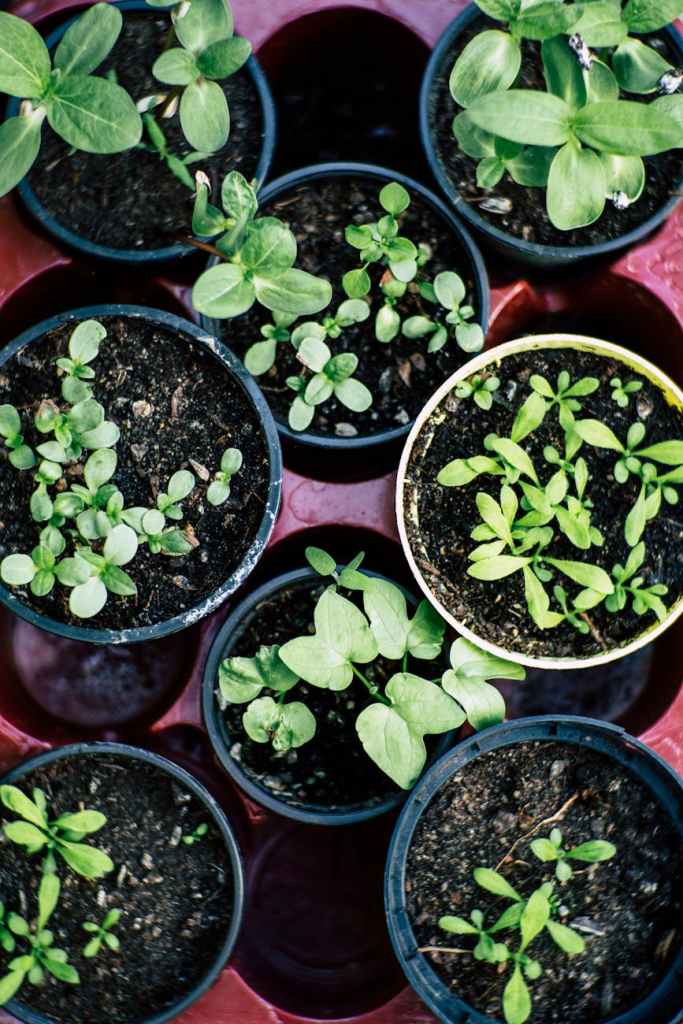
A well-designed survival garden produces fresh vegetables, herbs, and even grains through multiple seasons. Once established, it requires minimal inputs. The key is choosing the right plants for your climate and creating systems that keep producing even when conditions are not ideal. This kind of garden provides steady nutrition and financial savings in uncertain times.
How to Have a Never Ending Fresh Supply of Basil at House Digest
Prepare for All Climates
Your survival garden must be ready for unexpected weather swings. In hot climates, provide afternoon shade using trellises, shade cloth, or tall companion plants like sunflowers. Focus on heat-tolerant varieties such as okra, black-eyed peas, eggplant, and sweet potatoes. In cold climates, choose frost-hardy crops like kale, collards, Brussels sprouts, carrots, and parsnips. Cold frames, greenhouses, and row covers can extend the growing season. Use your local extension service or USDA zone map (link below) to guide your crop choices and timing.
Select Resilient Plants Strategically
Choose crops that provide strong yields and tolerate weather extremes. Potatoes deliver dense calories in cool weather. Kale and brassicas like cabbage thrive through frost. Beans are protein-rich and naturally fix nitrogen in the soil. Favor regional varieties over generic ones for better success.
5 Easy Plants to Grow for Beginners at LivLifeOutdoors
Choose Region-Friendly Crops
Pick crops suited to your local conditions. Learn your USDA Hardiness Zone here. For example:
- In the Northeast, try kale, potatoes, carrots, and peas.
- In the Southwest, grow okra, sweet potatoes, and arugula.
- In the Midwest, focus on beans, tomatoes, and beets.
- In the Pacific Northwest, try broccoli, cabbage, and chard.
- In the Southeast, consider growing collard greens, sweet potatoes, cherry tomatoes, and okra.
Here’s how to keep your garden thriving in the heat.
Look for open-pollinated seeds that allow you to save seeds year after year. Open-pollinated seeds come from plants that are naturally pollinated by wind, insects, or self-pollination and consistently produce offspring with the same traits. This makes them ideal for seed saving and sustainable gardening.
Common open-pollinated seed examples include Cherokee Purple tomatoes, Kentucky Wonder beans, Calabrese broccoli, Waltham butternut squash, and Bloomsdale spinach. Local seed libraries and seed swaps are excellent low-cost sources. Starter packs often cost less than $2 each.
Extend Growing Seasons with Simple Tools
Season extension techniques keep your survival garden productive beyond the usual window. Cold frames built from old windows create a mini-greenhouse effect. Row covers shield plants from frost and pests. Indoors, herbs, microgreens and sprouts like mung beans, broccoli, and sunflower seeds grow quickly and deliver nutrition in under two weeks. These tools let you garden through colder months and stretch your harvests.
Water Wisely
Rain barrels, mulch, and smart placement go a long way. Mulch with straw or wood chips to reduce evaporation. In dry climates, group thirsty plants together and water early in the morning. In wet zones, raised beds with proper drainage prevent root rot. Southeastern growers may spend more on water, while northern regions may rely more on rainfall.
Maximize Nutrition per Square Foot
High-yield, multi-use plants are your allies:
- Zucchini: fast, prolific, and great fresh or preserved.
- Tomatoes: for sauces, canning, and fresh eating.
- Beans: protein-rich, nitrogen-fixing, and easy to dry.
- Kale and collards: frost-hardy and nutrient-dense.
Use vertical space with trellises made from heat-treated pallets or cattle panels. Use lettuce as living mulch beneath taller plants. Plant in succession to keep the harvest going longer. Learn how to get more veggies out of your summer garden.
Think Long Term with These Quick Tips
Perennials like asparagus, rhubarb, and berry bushes establish in year one and feed your family for decades. Add fruit trees like apple or fig for years of harvest. Compost your kitchen waste to build better soil each season. Save seeds from your best plants to close the loop. Amend soil seasonally and carefully, with bone meal and blood meal.
Here are a few key safety tips when using bone meal and blood meal in your garden:
- Wear gloves and a mask: These powders can irritate skin and lungs. Always apply with gloves, and consider a dust mask, especially on windy days.
- Keep away from pets: Dogs are often attracted to the smell and may try to ingest them. Ingestion can be harmful, especially blood meal.
- Mix into the soil: Avoid leaving these meals on the surface. Work them into the soil to reduce odor and prevent mold or pests.
- Store safely: Keep in a sealed container, away from moisture and pets.
These affordable boosters stretch across years and reduce your need for store-bought fertilizer.
Enrich Garden Soil Year After Year
To grow stronger with time, your survival garden needs soil that gets better every season. Use compost made from kitchen scraps and garden trimmings to return nutrients to the soil. Add worm castings if available. Plant cover crops such as clover, vetch, or rye in off-seasons to prevent erosion and improve soil structure. These plants fix nitrogen, suppress weeds, and add organic matter when turned under. Grow plants that boost soil health. Avoid heavy tilling to preserve soil life.
Preserve the Harvest
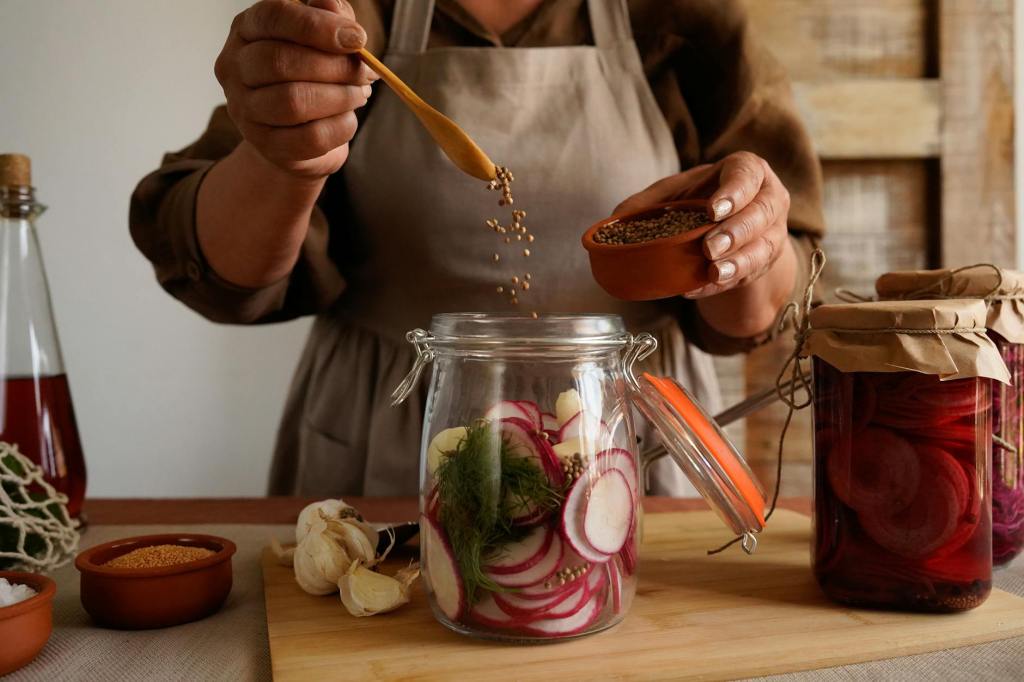
Dehydrate, freeze, can, or ferment extras. Start with low-cost methods like freezing chopped produce or sun-drying herbs. Invest in a basic canning kit or solar dehydrator as your survival garden grows. Use your preserved harvest in winter soups and stews. Straw mulch helps retain moisture, reducing water use. Learning to preserve means your efforts continue to pay off long after the growing season ends.
Foster Resilience and Community
Excess harvest can be shared, traded, or bartered with neighbors. Join Facebook gardening groups for support, tips, and camaraderie. Gardening creates a platform for mutual aid, even at a distance. Trade tomatoes for sugar, or offer surplus in exchange for local services. Over time, your survival garden can nourish not only your household but also your neighborhood.
Connect Systems for Greater Resilience
Integrate your survival garden with other preparedness systems for long-term sustainability. Collect rainwater from rooftops to irrigate your garden during dry spells. Use compost systems to turn organic waste into valuable soil amendments. Keep backyard chickens to convert kitchen scraps into eggs and natural fertilizer. Try building a solar dehydrator to preserve food using the sun. These connected systems work together to reduce waste, increase productivity, and support your overall preparedness plan.
Track, Learn, and Adjust
Keep a simple garden journal: what you planted, when, how it grew, and what you harvested. Document pest issues and weather patterns. These notes help you improve year after year. First-year pest pressure is often low. By year three, you may need organic treatments like neem oil, garlic spray, or physical barriers like row covers.
7 Tactics for Planning Next Year’s Garden at Backwoods Home
Final Thought on Self-Reliant Gardening
A survival garden is not a luxury. It is a life skill, a safety net, and a source of pride. Whether you start with a bean sprout in a pot or a raised bed from repurposed logs, your path to self-reliance begins with one planted seed. Keep it simple, stay steady, and grow with the seasons. Over time, your survival garden will become your grocery store, your health plan, and your peace of mind.
Download your Beginner’s Seed Saving Guide here.
Discover more from The Survival Builder
Subscribe to get the latest posts sent to your email.
